
PMO Framework and Delivery Governance
Establish governance structures, roles, responsibilities, review forums, reporting arrangements, decision paths and escalation mechanisms suited to the scale and complexity of projects or programs.



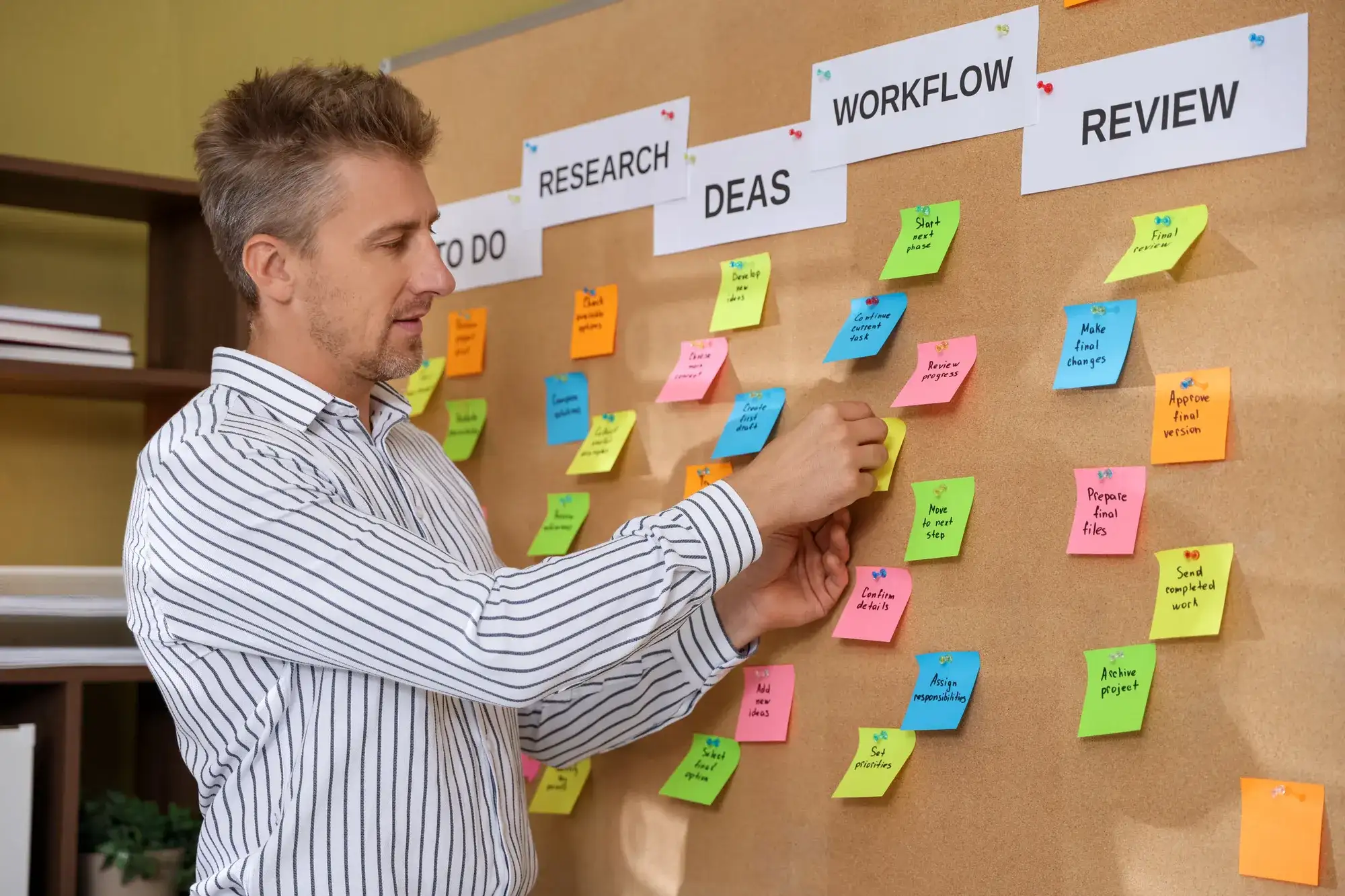




Strengthen delivery governance, customer relationships, partner performance and workforce effectiveness.
Successful business operations depend on more than effective project execution. Organizations need the right governance to deliver initiatives, maintain strong customer relationships, manage external partners, deploy people effectively and consistently measure performance. When these disciplines operate in isolation, gaps can emerge in accountability, customer experience, resource utilization, service quality and business outcomes.
VeroMinds helps organizations establish and strengthen these connected management disciplines. Our services bring together Project Management Office (PMO) and project delivery governance, quality management, customer account management, customer experience assessment, vendor and partner management, people and resource management, and performance management. We work with leadership teams and operational stakeholders to create practical management frameworks, improve visibility, strengthen ownership and translate business priorities into measurable execution.
Our support can be structured around a specific project, a customer account, a functional team, a vendor ecosystem or an organization-wide improvement initiative. The engagement is tailored to the operating model, business priorities and level of support required.
VeroMinds provides advisory and execution support across the management lifecycle, from defining governance and operating practices to monitoring delivery, assessing experience and performance, and driving corrective or improvement actions. We help establish the frameworks, routines, management information and accountability needed to keep projects, customer engagements, partners and teams aligned with agreed objectives.
Our service portfolio covers the following interconnected areas:
PMO setup and governance, project planning, scheduling, milestone and dependency tracking, progress reporting, risk and issue management, change control, stakeholder coordination and project closure.
Quality assurance and quality control frameworks, process and deliverable reviews, quality metrics, defect and corrective action management, testing coordination, UAT governance, acceptance controls and continuous improvement.
Account governance, customer engagement planning, service review mechanisms, stakeholder mapping, issue and escalation management, action tracking, relationship health reviews and coordination of service commitments.
Assessment of customer journeys and interaction points, feedback and service data review, service quality evaluation, pain-point identification, root-cause analysis and practical recommendations to improve customer experience.
Vendor and implementation partner governance, onboarding and performance expectations, service-level monitoring, review meetings, deliverable tracking, issue resolution, risk oversight and relationship management.
Resource planning, capacity assessment, allocation and deployment, utilization monitoring, workload balancing, skills alignment, resource optimization and recommendations to improve workforce effectiveness.
Definition and monitoring of KPIs, operational scorecards, management dashboards, target and trend reviews, performance analysis, variance identification, corrective action planning and periodic business reviews.
These capabilities can be engaged individually or combined into an integrated management framework. For example, a technology implementation may require PMO, quality assurance, vendor oversight and resource planning, while an ongoing customer engagement may benefit from account governance, customer experience assessment, service performance monitoring and continuous improvement.
Establish governance structures, roles, responsibilities, review forums, reporting arrangements, decision paths and escalation mechanisms suited to the scale and complexity of projects or programs.
Develop integrated project plans, workstream schedules, milestone baselines, resource assumptions and dependency trackers. Monitor delivery against agreed scope, timelines and priorities, and support structured change management.
Maintain risk, issue, dependency and decision registers; assess impacts; coordinate mitigation and escalation; and keep business, technology, customer and delivery stakeholders aligned through clear communication routines.
Define quality plans, review criteria, process checks and acceptance standards. Coordinate testing, defect management, UAT, evidence capture, business sign-off, release readiness and corrective actions.
Set up account management routines, stakeholder engagement plans, service review meetings, customer action logs and escalation pathways. Monitor commitments and help maintain clear ownership of customer priorities and open matters.
Evaluate customer touchpoints, service interactions, feedback, recurring issues and process friction. Identify root causes and improvement opportunities, and help translate findings into prioritized actions and measurable experience outcomes.
Define expectations, governance cadence, deliverable ownership and performance measures for vendors and implementation partners. Monitor commitments, service levels, dependencies, risks and issue resolution.
Assess demand, capacity, skills and workload; support resource allocation and deployment; monitor utilization; identify imbalances or bottlenecks; and recommend practical adjustments to improve capacity utilization and delivery effectiveness.
Establish relevant KPIs, operational scorecards and dashboards. Review performance against targets, analyze trends and variances, identify improvement needs and track corrective actions through regular management reviews.
Consolidate insights across projects, customers, partners and teams into actionable management information. Capture lessons learned, track improvement initiatives and strengthen operating practices over time.
Understand business objectives, delivery commitments, customer expectations, operating arrangements, stakeholder needs and existing management practices. Review available plans, performance information, feedback, risks and resource data to identify gaps and priorities.
Agree the scope, governance model, roles and responsibilities, success measures, KPIs, reporting requirements, review cadence and escalation routes. Design practical processes and management tools aligned with the organization and engagement.
Translate priorities into actionable plans covering projects, customer accounts, partner commitments, resource requirements, quality activities and performance targets. Confirm dependencies, owners, timelines and required management interventions.
Support day-to-day coordination and management routines, track deliverables and commitments, facilitate stakeholder communication, monitor resources and utilization, and coordinate issue resolution across relevant teams and partners.
Review progress, service quality, customer experience indicators, vendor performance, workforce utilization and KPI results. Analyze variances, identify root causes and escalate matters requiring management attention.
Agree corrective and preventive actions, track implementation, assess the impact of improvements and refine plans, controls and operating practices. Capture lessons learned and embed effective practices into ongoing management routines.

Whether you are looking to establish a PMO, improve project and quality controls, strengthen customer account governance, assess customer experience, improve vendor and partner performance, optimize resource utilization or build a more effective performance management framework, VeroMinds can help bring the right structure, visibility and management discipline. Contact us to discuss your business priorities and the level of support required.
Get Quote